
Originally posted in May 2023.
Originally posted in May 2023.
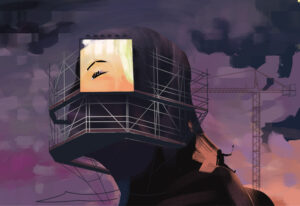
From Wikipedia: “An Instagram face is a social trend for women to adjust their features to conform to a single template, either by applying filters to their photographs on social media, or via cosmetic surgery.”
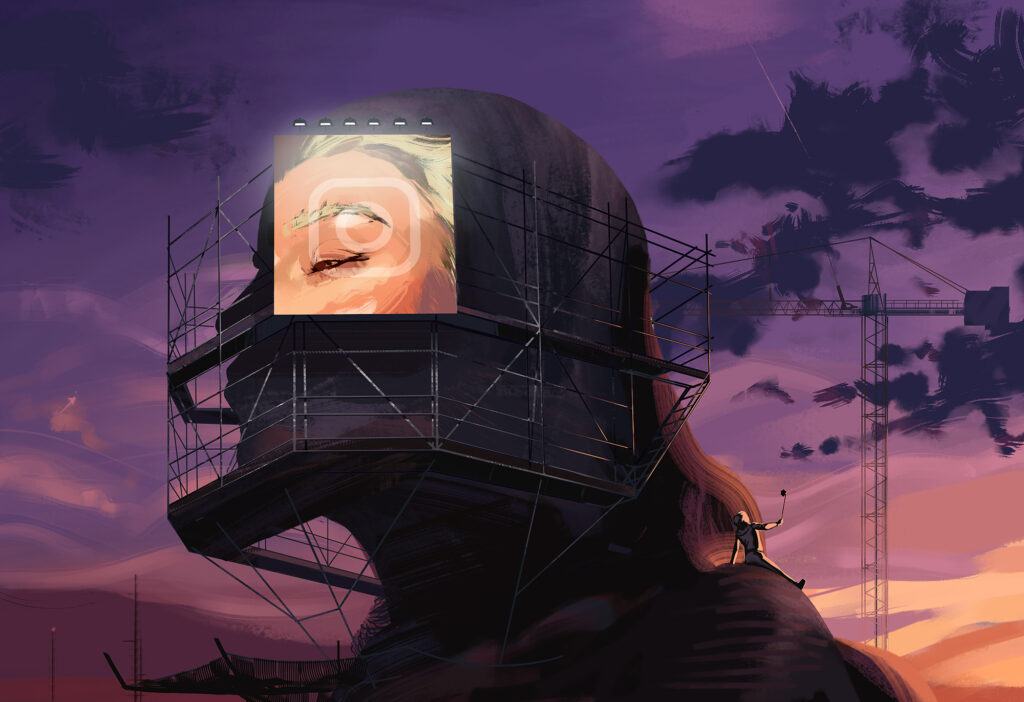
The article continues: “The template face is young, with flawless, unwrinkled skin and plump, high cheekbones. It has catlike (uplifted) eyes and long lashes; it has a small, symmetrical nose and lush lips. It has a blank expression. The face is unambiguously racially white, but of ambiguous ethnicity. The face has been described as ‘well-tanned, with South Asian brows and eye shape, African-American lips, Caucasian nose, and Native American/Middle Eastern cheeks.
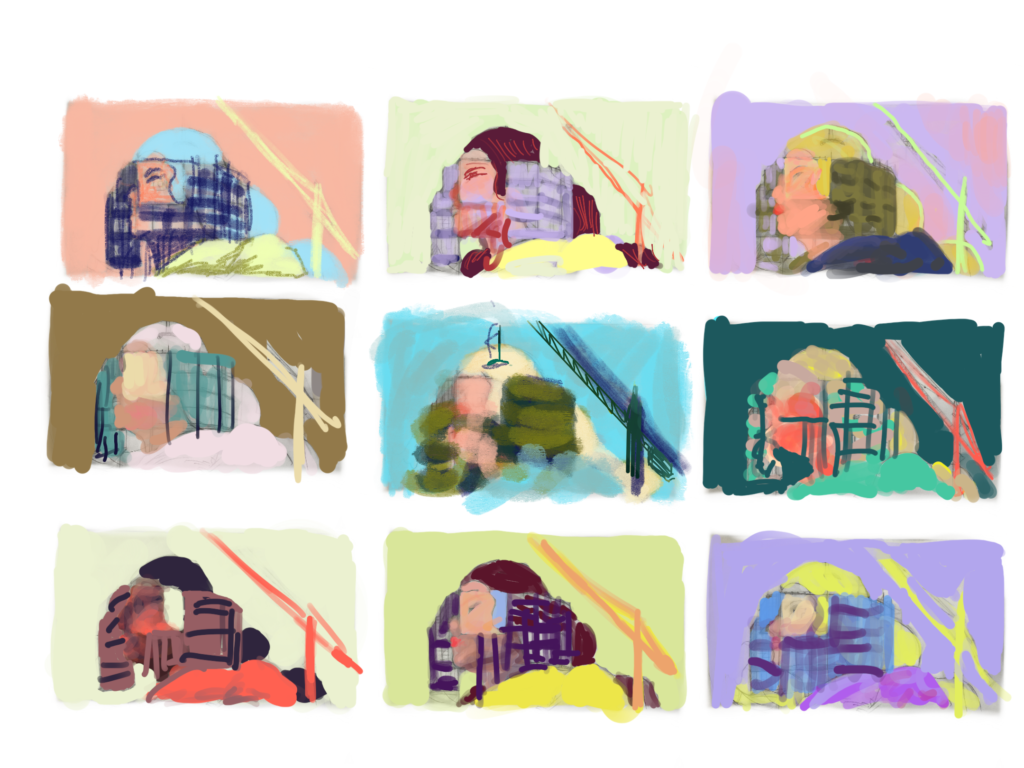
I got interested in this topic after watching the Youtuber Khadija Mbowe’s video on the socio-cultural phenomenon, which in turn cited a New Yorker article by Jia Tolentino. I was fired up by the thought that people sharing and liking photos of each other could cause a real-world change in the structure of the human face. This does sound blown out of proportion until you make a quick google search and find out that Instagram users add up to a very sizeable portion of the world population, itself adding up to a kind of standard-setting, world beauty forum.
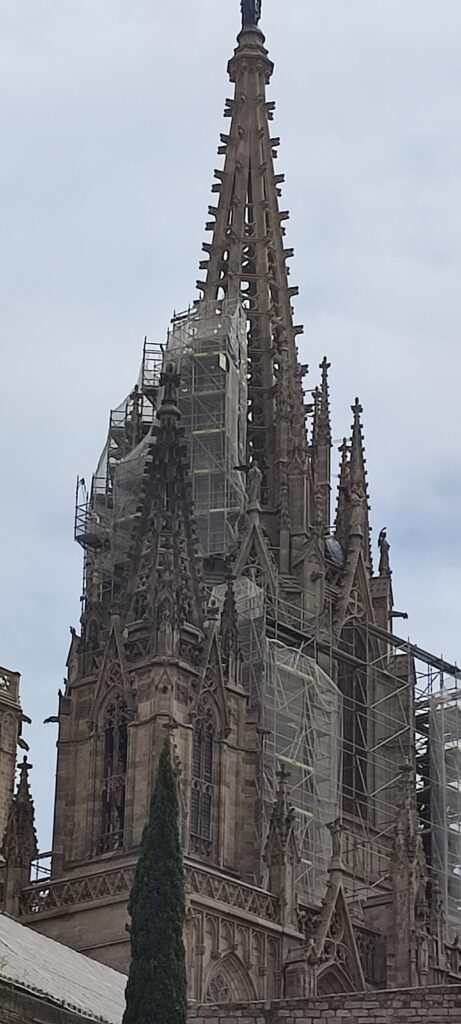
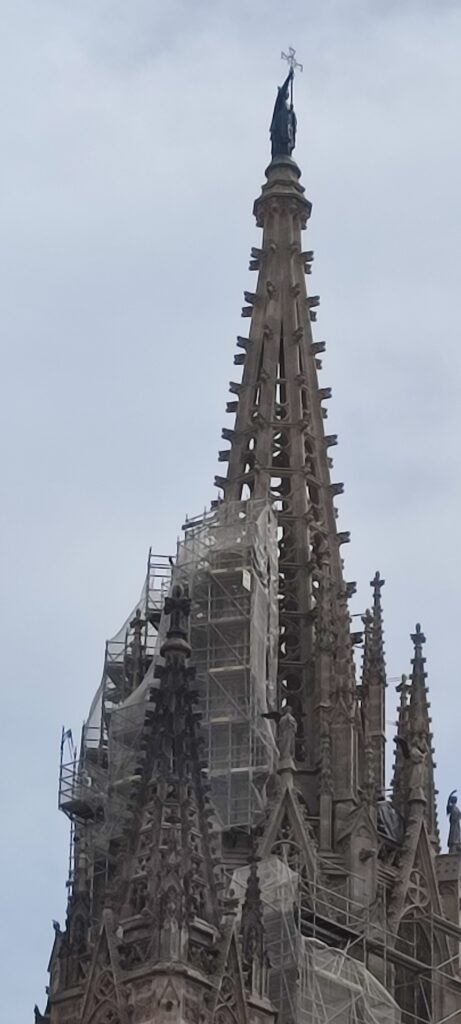
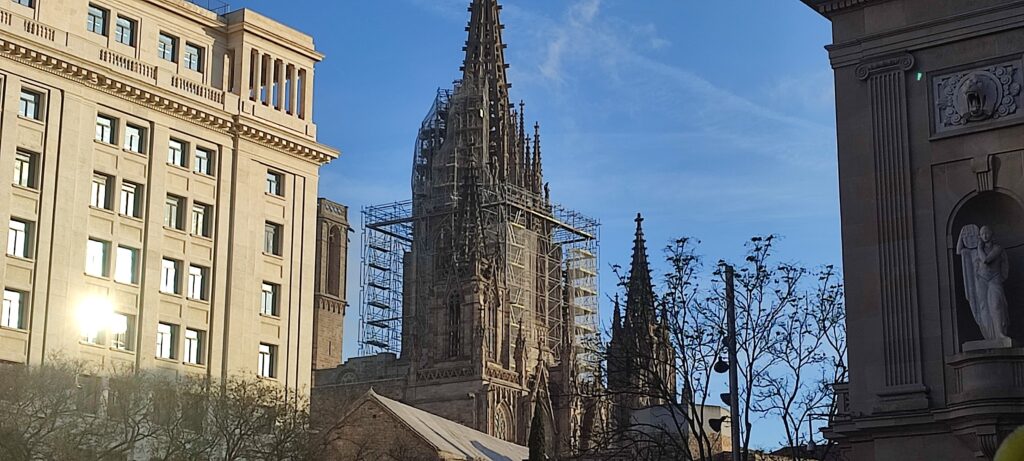
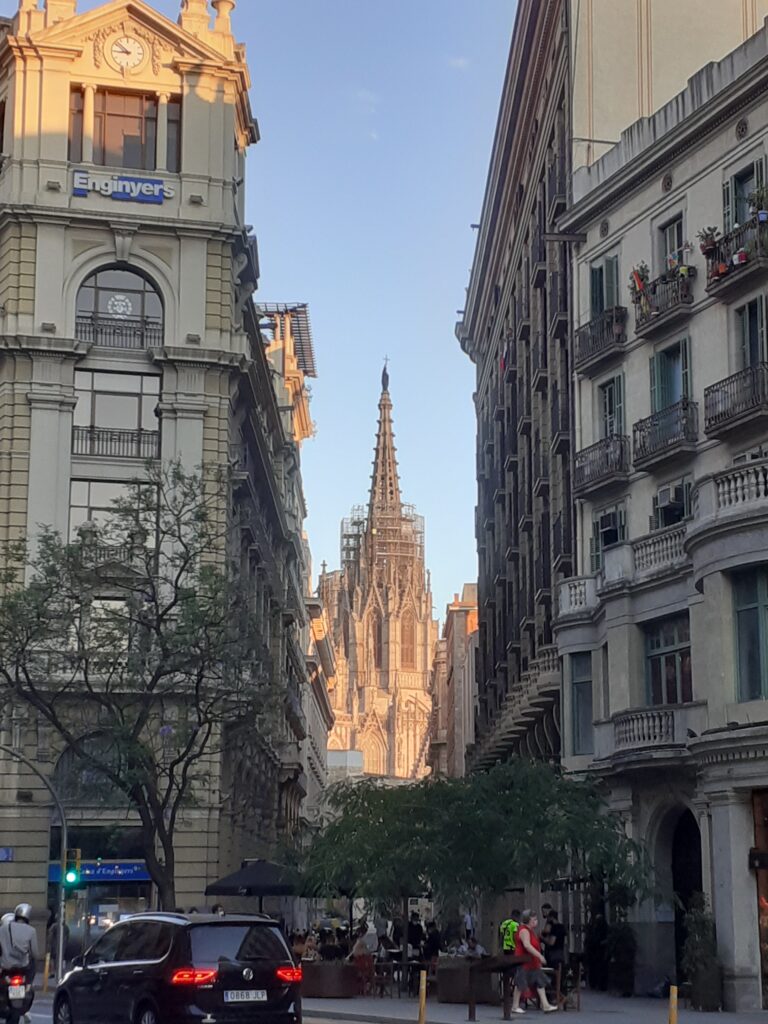
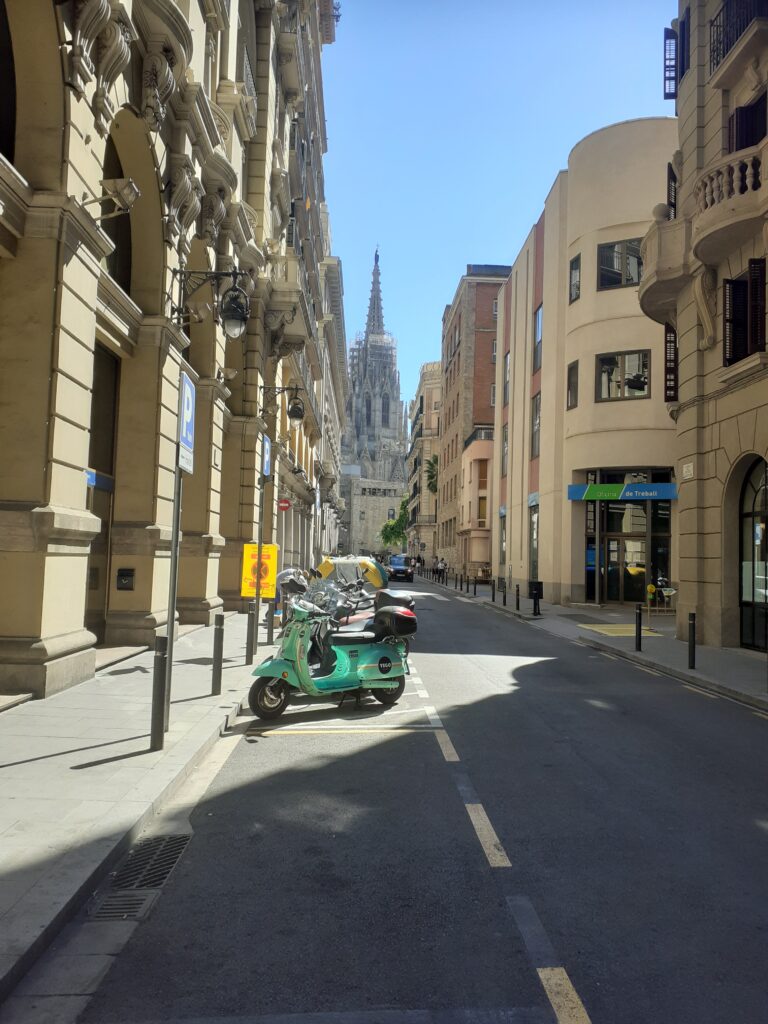
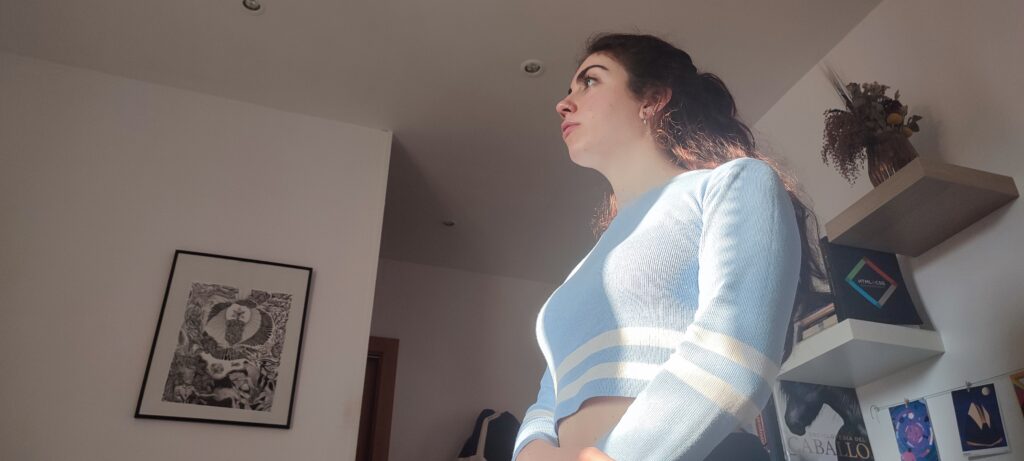
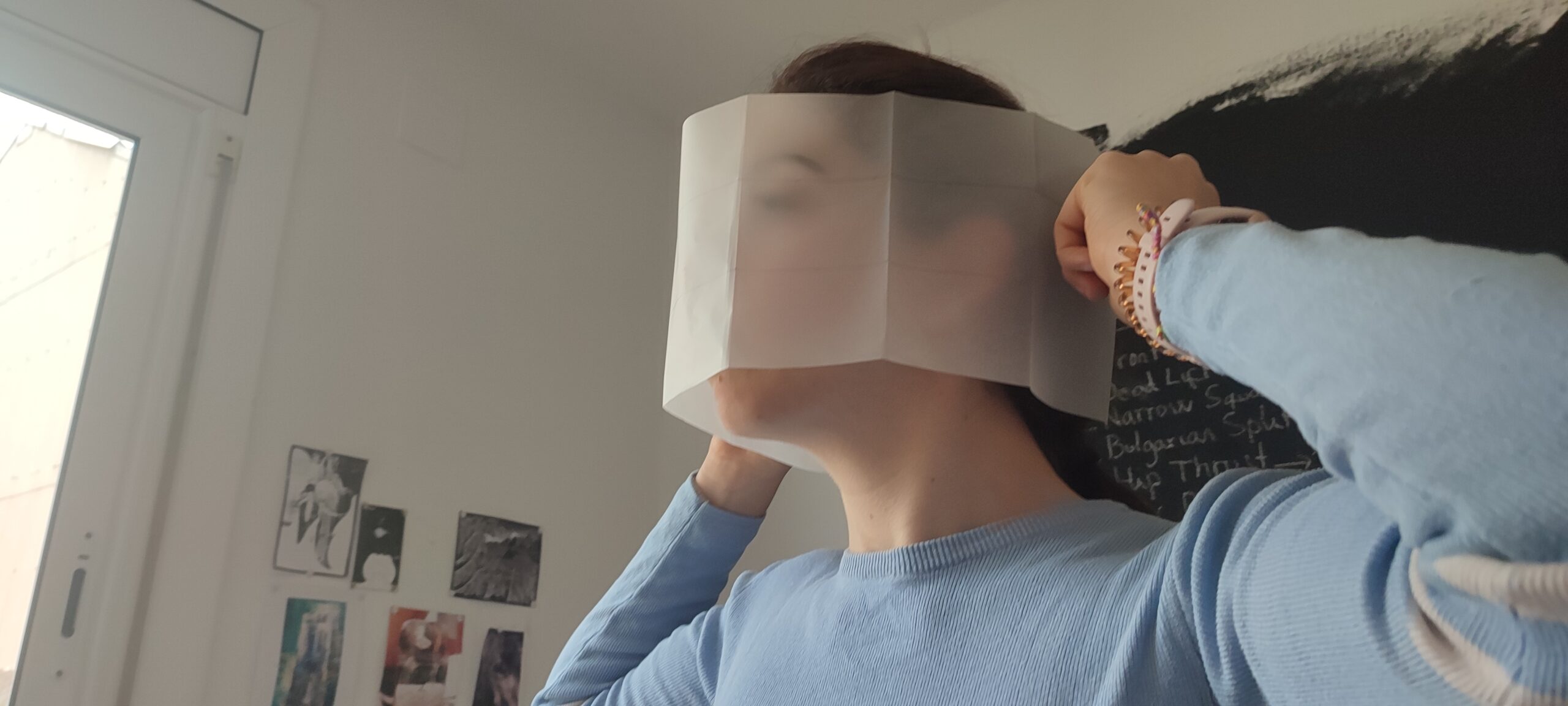
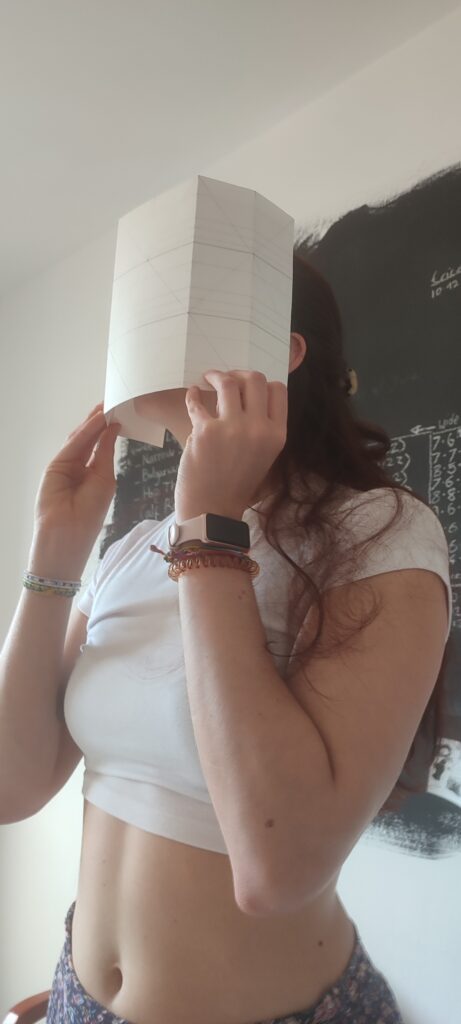
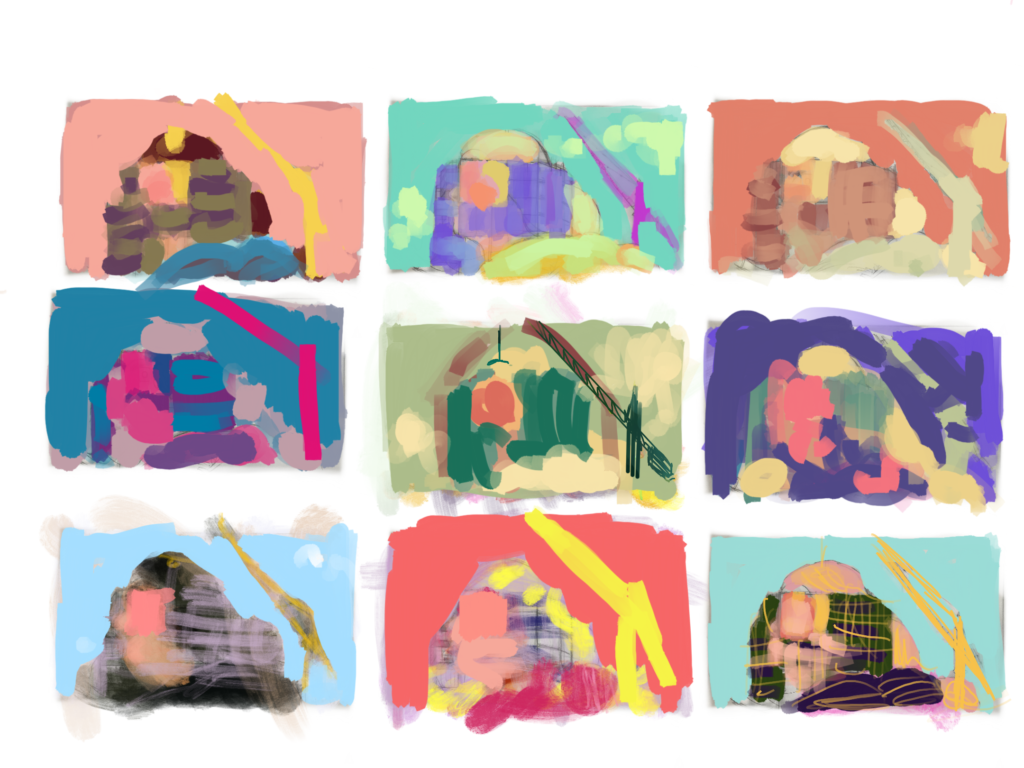
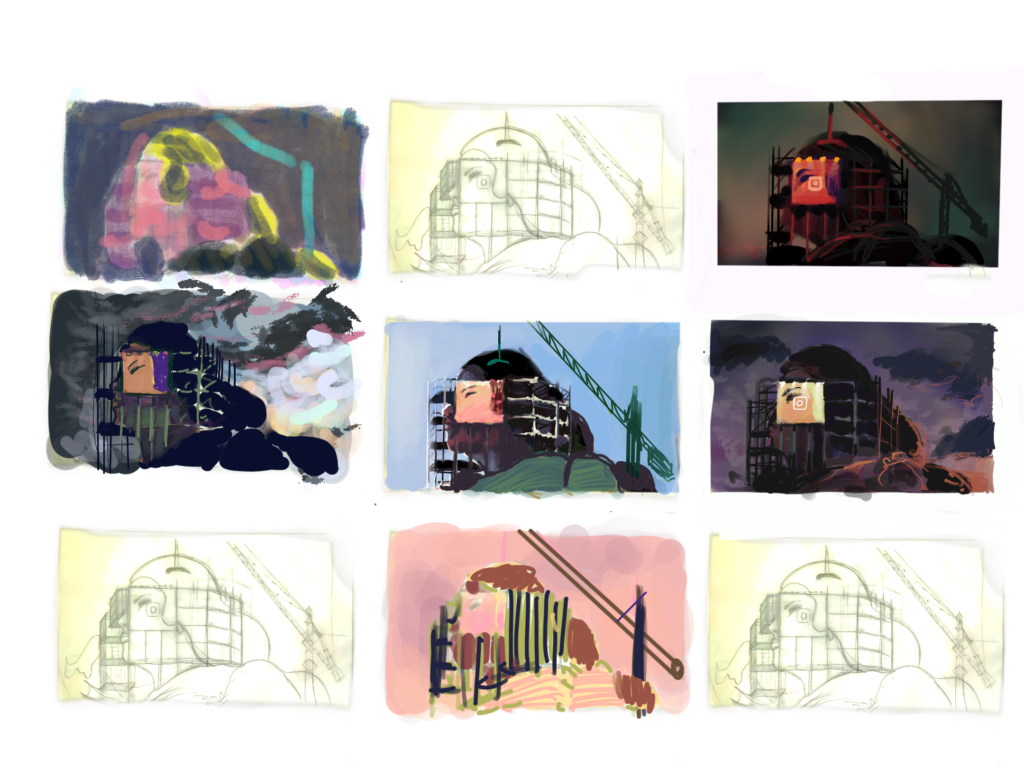
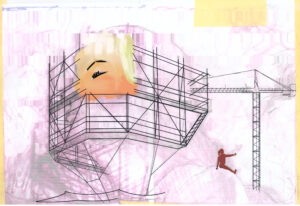
I really took my time planning this piece out because of how complex the perspective and structure of the concept was. In a way, setting the time of day of the piece to sunset meant that I didn’t need to get bogged down in detail, and could instead use the surface features of the scaffolding to pick up the highlights and add realism this way.
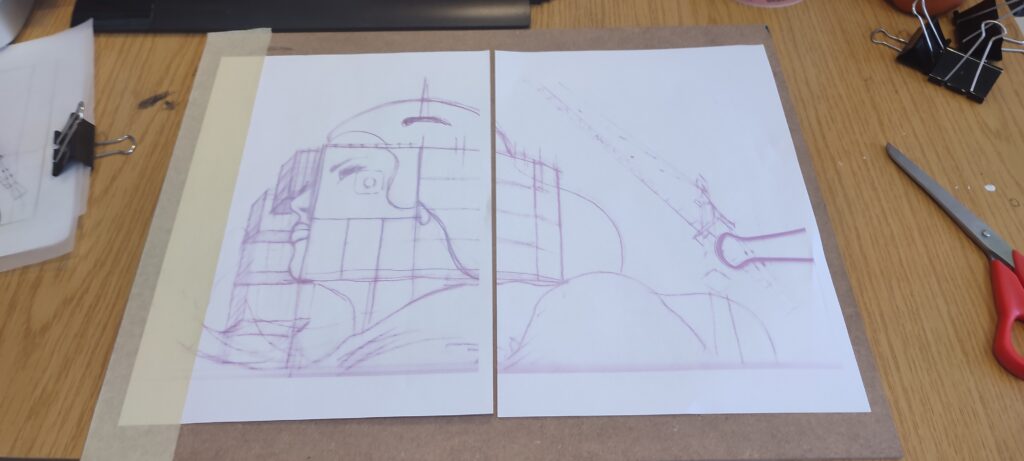
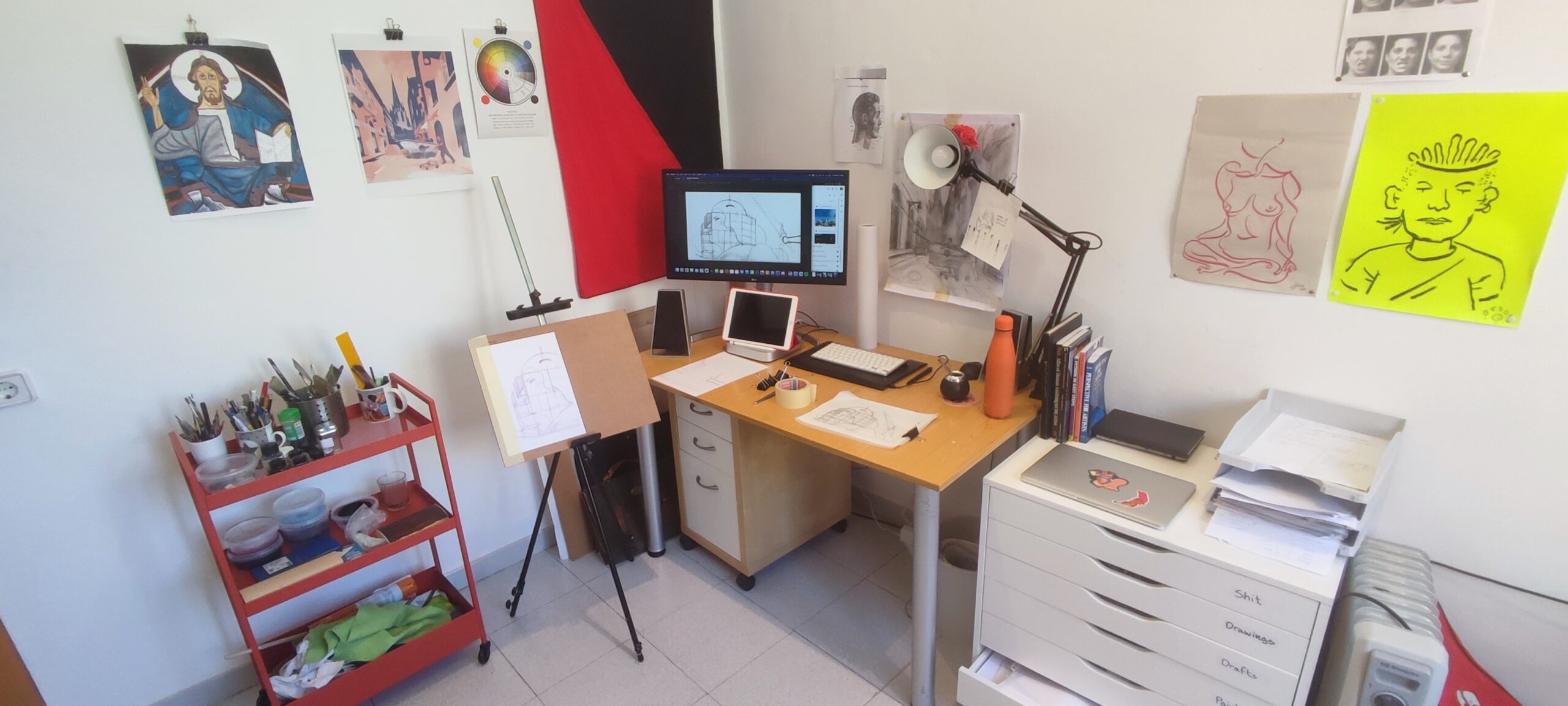
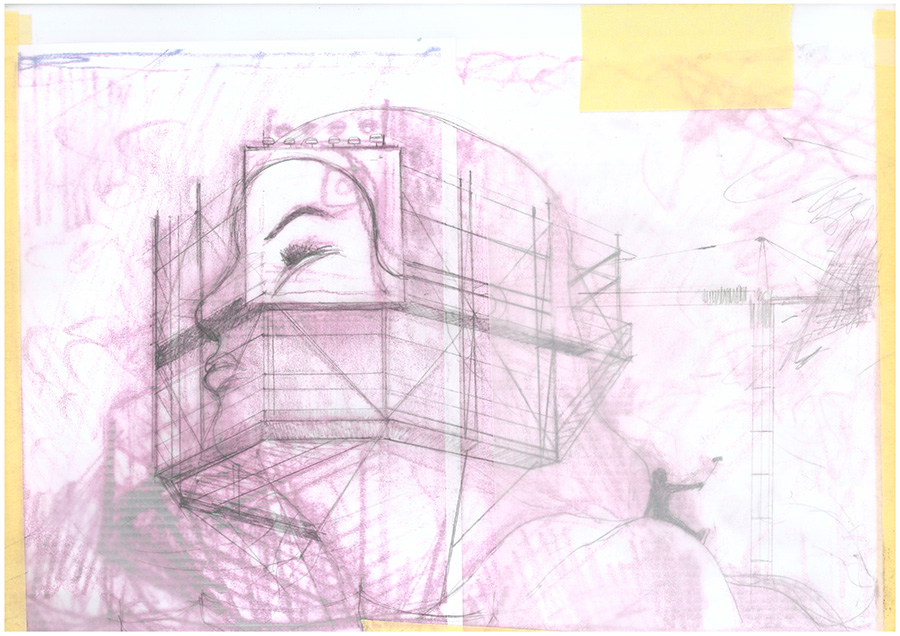
I first made a sketch on A4, then A3, then realised I was better off making a full, comprehensive draft on large, layered sheets of plant-based paper. This way I was really able to solve all the problems that could’ve arisen before I even started painting in earnest. I picked this technique up from the amazing James Gurney in his book on how to paint what doesn’t exist.
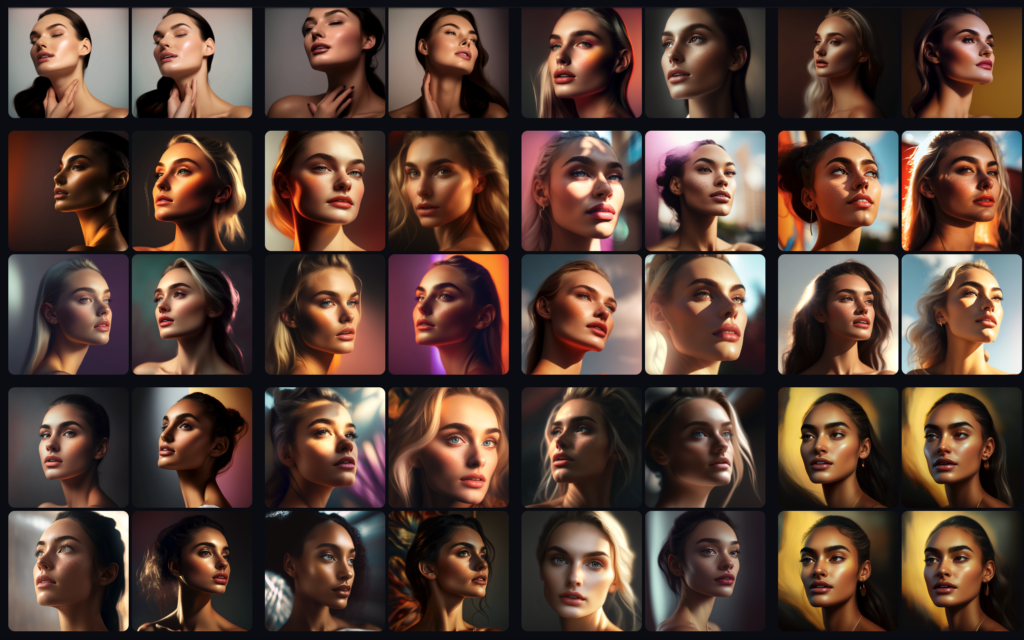
This was also the first time I successfully used MidJourney to help my workflow, using it to generate hundreds of images of women’s faces in search of one that would fit the angle of the piece.
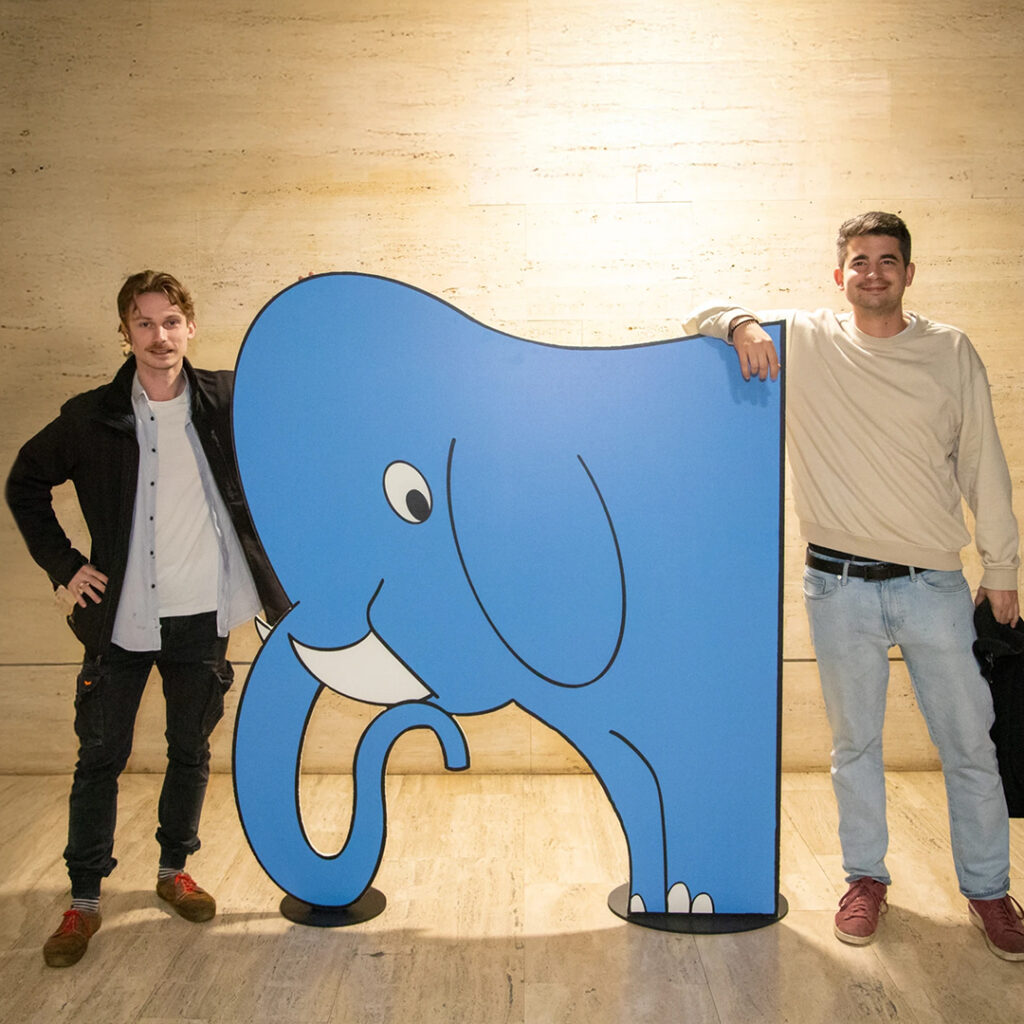
Proud to share this moment from Junceda Illustration Awards in December. I was chosen as one of the finalists for my project on the informal economy of Barcelona.
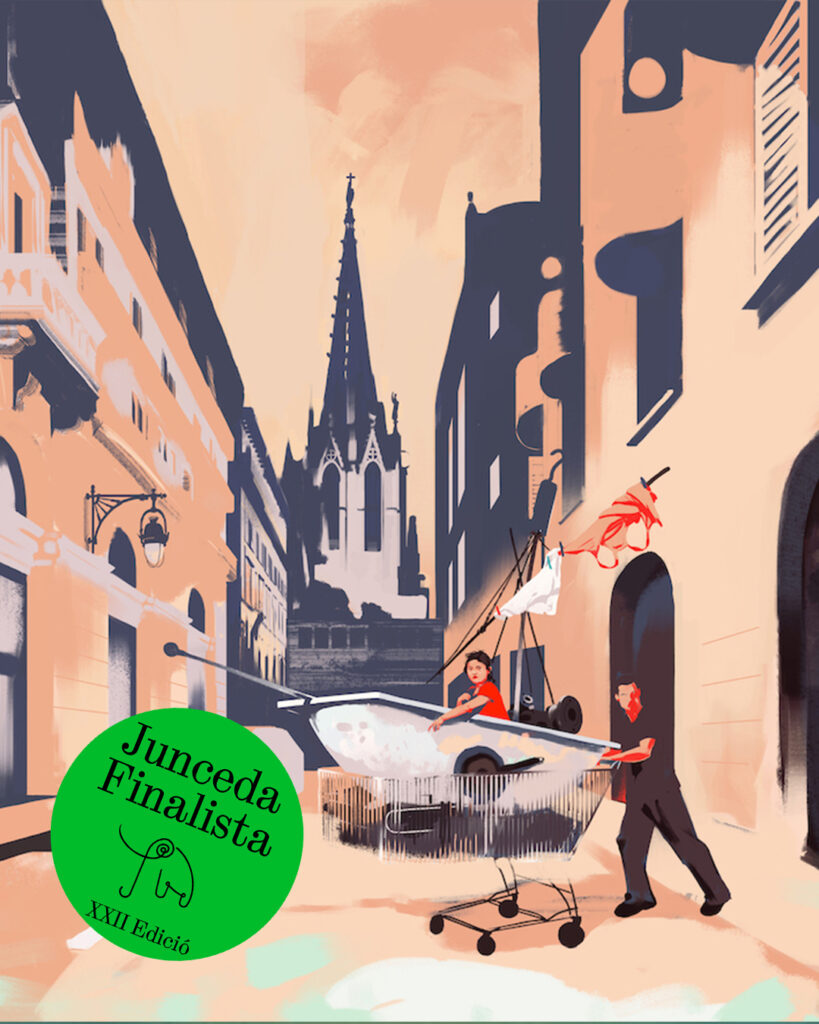
Thank you to the judges, friends who came to see the ceremony, @apicapic for their role in supporting local illustrators, and, last but not least, the hard-working, disadvantaged population of street vendors, scrap metal collectors and other itinerant workers–often undocumented migrants–who are yet to be recognised for their work and properly remunerated (not totally unlike many illustrators). This project was done in solidarity with them.
